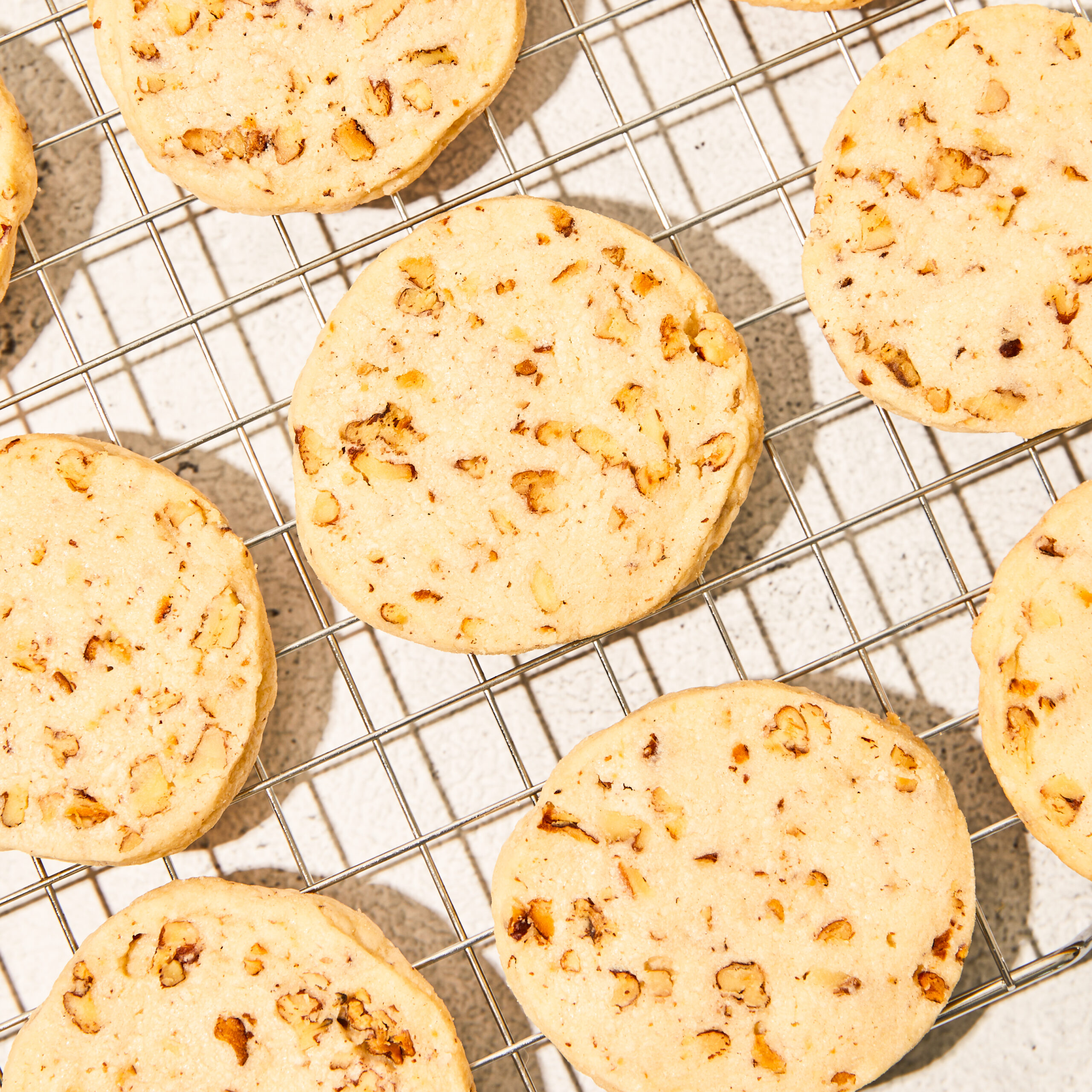
Pecan Sandies: The Classic Shortbread Cookie with Caramel Notes
There are some cookies that simply evoke a sense of warmth, nostalgia, and utter comfort. The Pecan Sandie is undeniably one of them. These humble yet heavenly treats have graced countless holiday platters and afternoon tea tables, earning their place as a timeless classic. With their distinctive sandy texture, rich buttery flavor, and tantalizing caramel undertones from brown sugar, a truly exceptional
pecan sandies cookie recipe offers a melt-in-your-mouth experience that store-bought versions can only dream of replicating. If you're ready to dive into the world of simple, elegant baking, get ready to discover why these shortbread wonders are so beloved.
What makes a Pecan Sandie so special? It's a symphony of simplicity and texture. These aren't your chewy chocolate chip cookies or your crisp sugar cookies. Pecan Sandies are a distinct type of shortbread, celebrated for their uniquely crumbly, soft, and tender consistency. In fact, their very name hints at their signature texture – "sandy," much like the French *sablé* cookies, which also translates to sand. This delightful crumbly quality is achieved through a precise balance of ingredients, largely relying on butter and flour without the aid of leavening agents or eggs. The result is a cookie that dissolves delicately on your tongue, leaving behind a lingering taste of toasted pecans and sweet caramel. For a deeper dive into crafting these delightful treats, explore our comprehensive guide on
Easy Pecan Sandies: Your Guide to Melt-in-Your-Mouth Cookies.
What Makes Pecan Sandies So Irresistible? The Magic Behind the Melt
The allure of Pecan Sandies lies in their uncomplicated perfection and masterful interplay of textures and flavors. Unlike many other cookie varieties, these gems forego the usual leaveners like baking soda or baking powder, and often eggs, allowing their core ingredients to shine without interference. This fundamental characteristic is what places them firmly in the shortbread family, guaranteeing that delicate, crumbly texture that is their hallmark.
*
The Signature Sandy Texture: This isn't just a marketing phrase; it's the defining characteristic. A well-made pecan sandie has a fine, crumbly structure that practically melts as soon as it hits your palate. This texture is a direct result of the high butter-to-flour ratio and the absence of ingredients that would create chewiness or chewiness.
*
Rich Caramel Notes from Brown Sugar: While some sandie recipes opt for confectioners' sugar for an even finer, powderier crumb, the classic
pecan sandies cookie recipe, particularly one aimed at achieving those coveted "caramel notes," utilizes light brown sugar. This subtle swap introduces a molasses-rich depth that granulated sugar simply can't provide. As the brown sugar bakes, its inherent caramelization enhances the nutty flavor of the pecans, creating a more complex and utterly addictive taste profile.
*
Buttery Goodness: Shortbread, by definition, is butter-rich. Pecan Sandies are no exception. High-quality butter isn't just a fat source; it's a primary flavor component, contributing significantly to the cookies' luxurious mouthfeel and tender crumb. It coats the flour proteins, preventing excessive gluten development, which is crucial for that signature melt-in-your-mouth sensation.
*
The Earthy Embrace of Pecans: Of course, a Pecan Sandie wouldn't be complete without its namesake nut. Coarsely chopped pecans provide not only a delightful textural counterpoint to the soft cookie but also a deeply earthy, sweet, and slightly buttery flavor. When lightly toasted during baking, their natural oils release, infusing every bite with an irresistible nutty aroma that complements the caramel notes beautifully.
Together, these elements create a cookie that’s far superior to any mass-produced alternative. The simplicity of the ingredients belies the complexity of the sensory experience, making homemade pecan sandies an absolute must-try.
Deconstructing the Perfect Pecan Sandies Cookie Recipe: Key Ingredients
One of the most appealing aspects of a classic
pecan sandies cookie recipe is its short, simple ingredient list. You likely have most of these staples in your pantry right now! The magic isn't in exotic components, but in the quality of what you use and how you combine them.
*
Unsalted Butter (½ cup or 1 stick), room temperature: Butter is the foundation of these shortbread cookies. Using unsalted butter allows you to control the salt content precisely. Crucially, ensure your butter is at *room temperature*. This is vital for proper creaming with the sugar, creating an emulsified mixture that traps air and contributes to the cookie's tender texture. Avoid melted butter, which would make for a greasy, dense cookie, and cold butter, which won't cream properly.
*
Packed Light Brown Sugar (½ cup): As discussed, light brown sugar is the secret to those coveted caramel notes. Its moisture also contributes to the cookie's tenderness. Make sure it's packed firmly into the measuring cup for accurate quantity.
*
Pure Vanilla Extract (1 ½ teaspoons): Don't skimp on good quality vanilla. It enhances and rounds out all the other flavors, adding a touch of aromatic sweetness that is indispensable.
*
Salt (¼ teaspoon): A pinch of salt might seem insignificant, but it plays a crucial role in balancing the sweetness of the sugar and intensifying the nutty flavor of the pecans. It prevents the cookies from tasting one-dimensional.
*
All-Purpose Flour (1 cup), spooned and leveled: This is your primary dry ingredient. The "spooned and leveled" method is important: gently spoon flour into your measuring cup until it overflows, then level it off with a straight edge. Scooping directly with the measuring cup can pack the flour down, leading to too much flour and a dry, tough cookie.
*
Pecans (1 cup), coarsely chopped: The star of the show! Use fresh, good-quality pecans. Coarsely chopping them ensures you get a good bite and texture in each cookie. For an extra layer of flavor, consider lightly toasting your pecans before adding them to the dough. This deepens their nuttiness, but be careful not to over-toast, as they'll continue to bake in the oven.
Crafting Your Own Classic Pecan Sandies: A Step-by-Step Guide
Making homemade pecan sandies is surprisingly straightforward, proving that some of the best things in life are also the simplest. This
pecan sandies cookie recipe will guide you through creating a batch of these delectable treats that are undoubtedly
Homemade Pecan Sandies: Better Than Store-Bought, 5 Ingredients.
**Yields:** Approximately 2 dozen cookies
**Prep time:** 15 minutes
**Bake time:** 15-17 minutes
**Equipment You'll Need:**
* Large mixing bowl
* Electric mixer (handheld or stand mixer)
* Rubber spatula
* Two baking sheets
* Parchment paper
* Wire cooling racks
**Instructions:**
1.
Preheat and Prep: Begin by preheating your oven to 350°F (175°C). Position your oven racks in the upper and lower thirds to ensure even baking. Line two baking sheets with parchment paper; this prevents sticking and makes for easy cleanup.
2.
Cream Butter and Sugar: In your large mixing bowl, using an electric mixer, beat the room-temperature unsalted butter and light brown sugar together. Cream them until they are well combined and slightly lightened in color, though you'll notice that brown sugar doesn't get as fluffy as granulated sugar. This process usually takes 2-3 minutes.
3.
Incorporate Wet Ingredients: Add the pure vanilla extract and salt to the butter-sugar mixture. Beat until these ingredients are fully incorporated, scraping down the sides of the bowl as needed.
4.
Add Flour Gradually: With your mixer on low speed, gradually add the all-purpose flour to the wet ingredients. Beat *just* until the flour is combined and no dry streaks remain. Overmixing at this stage can develop gluten, leading to tougher cookies, which is the opposite of what we want for a sandie!
5.
Fold in Pecans: Remove the bowl from the mixer and, using a rubber spatula, gently fold in the coarsely chopped pecans until they are evenly distributed throughout the dough.
6.
Form the Cookies: Roll the cookie dough into 1 ½-inch balls. Place them on the prepared baking sheets, ensuring they are about 2 inches apart to allow for slight spreading.
7.
Flatten for Even Baking: Take a small glass, dampen its bottom slightly (this prevents sticking), and gently flatten each cookie dough ball. You want them to be uniformly thick, which helps them bake evenly.
8.
Bake to Golden Perfection: Place the baking sheets in the preheated oven. Bake for 15 to 17 minutes, or until the edges of the cookies are golden brown. Make sure to rotate the baking sheets halfway through the baking time (swapping top to bottom, and front to back) for even browning.
9.
Cool Completely: Once baked, transfer the cookies to wire racks immediately. Allow them to cool completely. These cookies are quite delicate when warm, but will firm up as they cool.
Expert Tips for Pecan Sandies Perfection
Achieving that perfect melt-in-your-mouth texture and rich flavor in your pecan sandies is simple when you follow a few key tips:
*
Quality Ingredients Matter: Since there are so few ingredients, the quality of each shines through. Use good butter, fresh vanilla, and vibrant, fresh pecans. Stale pecans can impart an off-flavor, so ensure yours are fresh for the best results.
*
Room Temperature Butter is Non-Negotiable: We've said it before, but it bears repeating. Butter that's too cold won't cream properly, and butter that's too warm can make your dough greasy and difficult to work with. Aim for butter that gives slightly when pressed, but isn't oily.
*
Don't Overmix the Dough: This is perhaps the most critical tip for any shortbread-style cookie. Once the flour is added, mix only until just combined. Excessive mixing develops gluten, leading to a tough, rather than tender, cookie.
*
Toasted Pecans for Enhanced Flavor: While optional, lightly toasting your chopped pecans in a dry skillet over medium-low heat for a few minutes (until fragrant) before adding them to the dough can dramatically deepen their nutty flavor. Just let them cool before mixing them in.
*
Uniform Cookie Size and Thickness: Rolling balls of similar size and flattening them consistently ensures that all your cookies bake evenly at the same rate. This avoids some being undercooked while others are overdone.
*
Consider Variations: While the classic
pecan sandies cookie recipe is perfect as is, don't hesitate to experiment. Swap out pecans for other nuts like walnuts or almonds, or add a pinch of cinnamon or cardamom for a different spice profile. A light dusting of powdered sugar once cooled also adds an elegant touch and another layer of sweetness.
*
Proper Storage: Store cooled pecan sandies in an airtight container at room temperature for up to a week. They maintain their delightful texture surprisingly well, though their flavor is best within the first few days.
Conclusion
The Pecan Sandie is more than just a cookie; it's a testament to the power of simple, quality ingredients and time-honored baking techniques. This classic shortbread, with its unique sandy texture, rich buttery flavor, and enchanting caramel notes from brown sugar, offers an unparalleled melt-in-your-mouth experience. By following this comprehensive
pecan sandies cookie recipe, you'll discover just how easy it is to create a batch of these old-fashioned delights that far surpass anything you can buy at the store. Whether you're adding them to your holiday cookie repertoire or simply craving a comforting treat any time of year, these pecan sandies are guaranteed to become a cherished favorite. So, roll up your sleeves, gather your ingredients, and prepare to indulge in the irresistible charm of this truly classic cookie.